


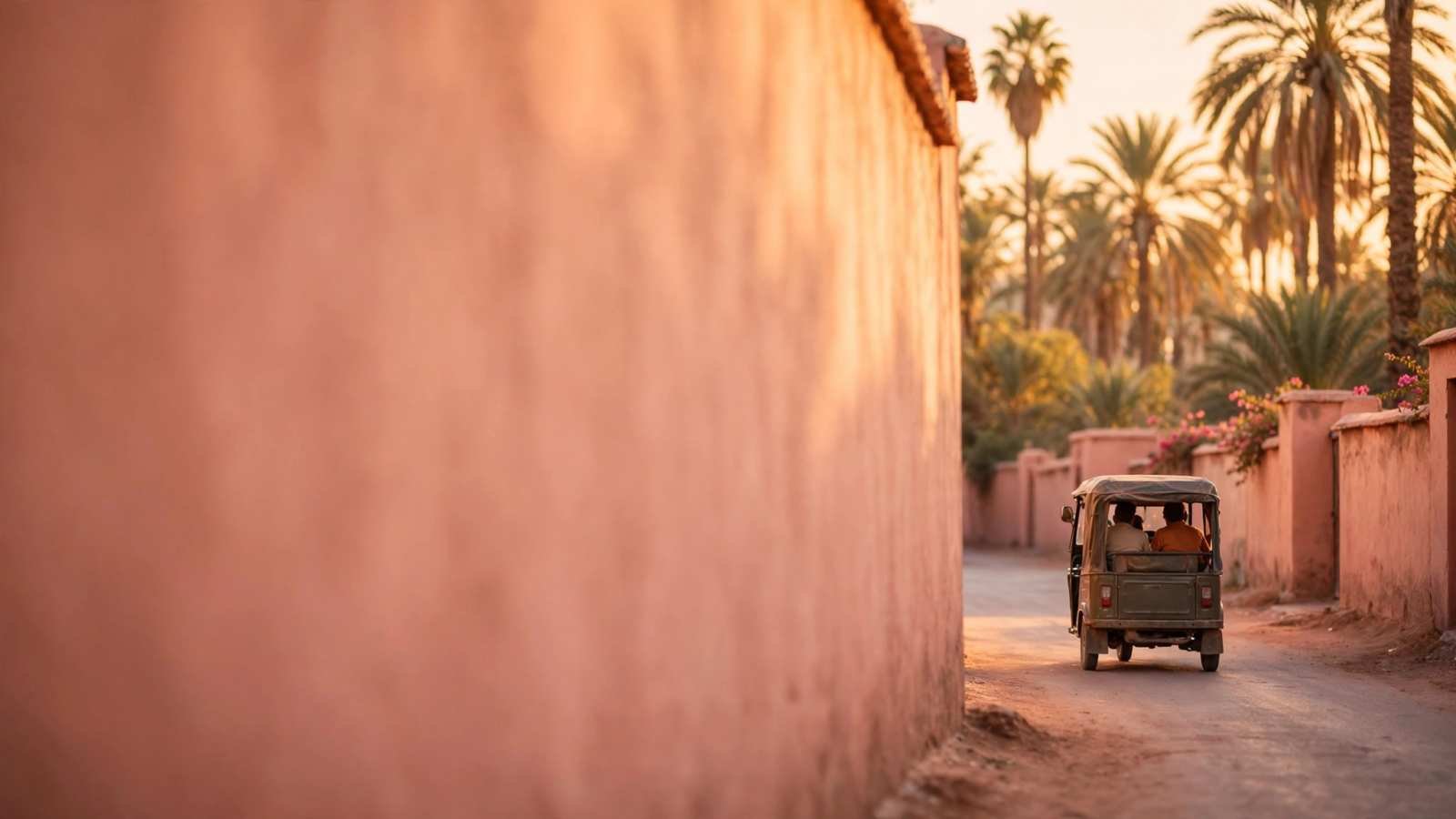


Marrakech Camel Ride – 2 Hours of Magic in Palmeraie

Top 1 Balloon Flight Marrakech & Delicious Berber Breakfast

Thrilling Zipline Marrakech Tour with Atlas Mountains Hike

Marrakech Paragliding: Ultimate Agafay Desert Rush

Quad Bike Marrakech – Fun 3-Hour Tour in the Palmeraie

Horseback Riding Marrakech – Exclusive 3-Hour Private Tour

Dune Buggy Marrakech: Epic 3-Hours in Palm Grove

Scooter Marrakech: 2-Hour Incredible Tour in the Red City

Bike Tour Marrakech: 3-Hour Inspiring Cultural Experience

Marrakech Quad Bike and Camel Ride 4-Hour Epic Adventure

Atlas Mountains Tour: Full-Day E-Bike Ultimate Adventure

Marrakech Cycling Tour: 2.5h Inspiring Palm Grove Ride

From Marrakech: Amazing Cycling in the Atlas Mountains Day Trip

Quad Agafay Marrakech: Amazing Camel Ride, Dinner & Show

Aqua Karting Marrakech & Quad Bike Adventure Palmeraie
Ebike Marrakech: A Thrilling Adventure Through the Medina
Marrakech Babouch Making Workshop: Discover, Create & Enjoy
Pottery Workshop Marrakech: 2-Hour Ultimate Creative Experience
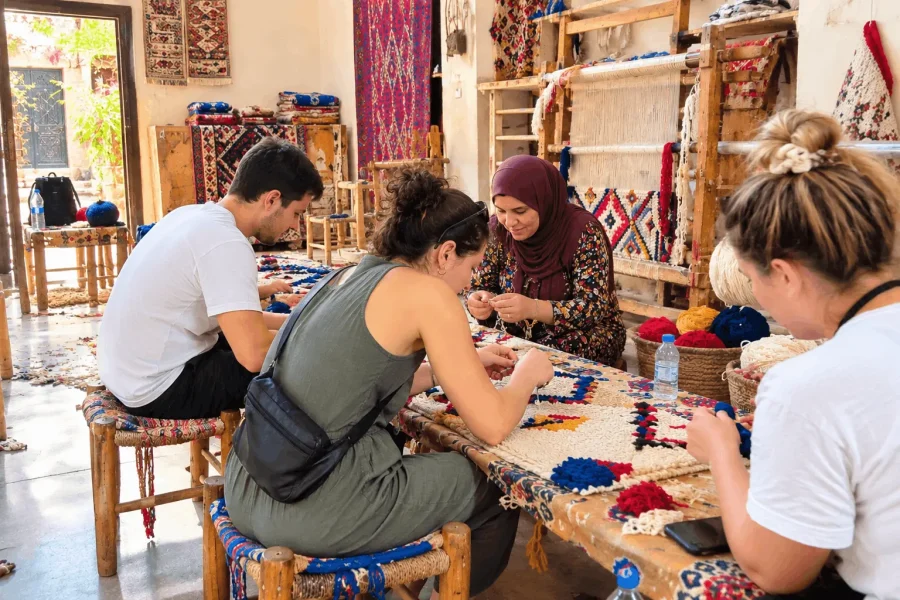
Marrakech Rug Class: 2-Hour Stunning Moroccan Rug Experience
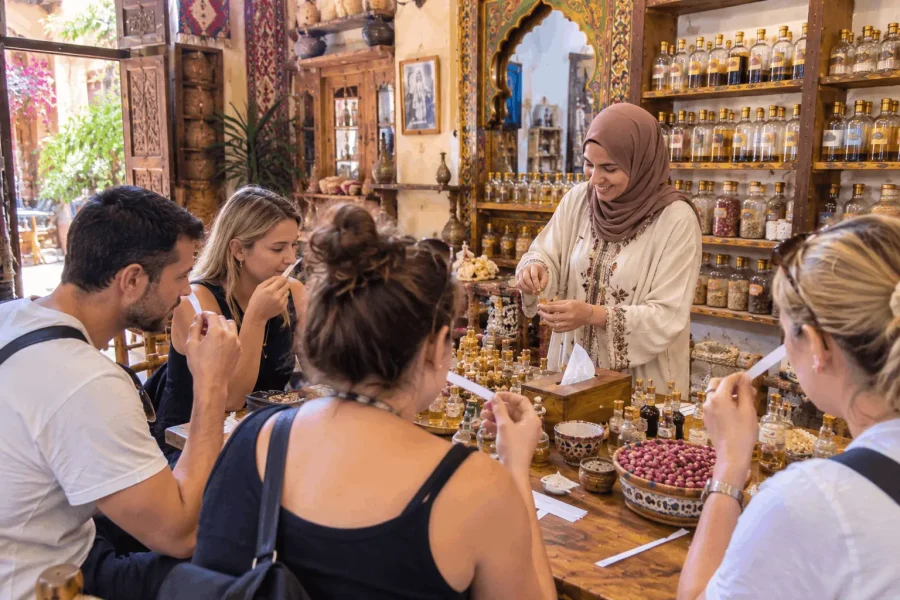
Marrakech Perfume Workshop: 2-Hour Unforgettable Fragrance Journey
Ask anyone who has spent a few days walking the medina what a Tuk Tuk Marrakech ride adds, and you rarely get a list of monuments. You get a shift. Something in the way the city reads changes between the moment you climb in and the moment you step out. This is a before-and-after look at that shift — not a route guide, not a price sheet, just what genuinely changes when you trade your own two feet for a slow-moving seat.
Before the ride: the city as a series of obstacles
Most visitors arrive in the medina already tired. The heat, the scooters, the constant negotiation of space — it all stacks up. Before a Tuk Tuk Marrakech ride, the city is something you navigate rather than something you experience.
What you notice first
- Distances feel longer than they are, and every wrong turn costs energy.
- You keep your eyes down, watching for kerbs, carts and motorbikes.
- Landmarks blur together because you only ever see their ground floor.
- Conversations with locals stay transactional: directions, prices, menus.
None of this is a complaint. It is simply the honest baseline. Walking a medina is wonderful and exhausting in equal measure, and that fatigue is exactly what shapes your first impressions.
After the ride: the same streets, a different map in your head
Step out at the end and something has quietly reorganised. You now hold a mental map you did not have before — not of every alley, but of how the districts relate to each other. The Tuk Tuk Marrakech ride hands you the city’s skeleton.
The concrete changes
- You can place the souks, the gardens and the squares relative to one another.
- You recognise a few faces and doorways on the second pass.
- You stop fearing the edges of the medina and start exploring them.
- Your pace slows, because you no longer need to sprint between fixed points.
That last point matters more than it sounds. When transport stops being a problem to solve, curiosity has room to take over.
Tuk Tuk Marrakech: what changes in what you actually see
This is the part people underestimate. A tuk tuk sits higher than a car and moves slower than a scooter, which produces a very particular view of the city — close enough to smell the bread ovens, elevated enough to look over walls and into courtyards.
Before: eye level and closed
On foot, the medina is a corridor. Walls, shutters, doorways. Beautiful, but horizontal.
After: elevated and open
From the seat, you see rooftop terraces, satellite dishes, laundry lines, the tops of palms in the Palmeraie and the way light falls across ochre facades. The city gains a vertical dimension. If you want to understand how this feels in practice, the private Tuk Tuk Marrakech experience is built around exactly that shift in perspective.
The social before and after
There is a quieter change that has nothing to do with architecture. Before the ride, interactions with locals are brief and functional. After, they carry a little more ease — you have heard the city’s rhythm from a seat rather than through a window, and it shows.
- You know which streets are loud and which are calm.
- You have a sense of when the day turns and the squares fill.
- You can ask better questions, because you have something to ask about.
Drivers are often the first locals a visitor talks to at length, and that short conversation frequently reframes the rest of the trip.
What does not change — and that is fine
Honesty matters here. A ride does not make you an expert, does not replace walking, and does not magically reveal hidden courtyards. The medina still requires legs and patience. What the ride changes is the order in which you meet the city: overview first, detail second. Many travellers do it the other way round, spend two days lost, and only then understand the layout. Reversing that sequence is the whole point.
A simple before-and-after test
- Walk one route on your first morning and note how long it takes.
- Take a short ride over the same ground.
- Walk it again and notice what you now recognise.
Most people find the third walk takes less time and yields more attention. That is the measurable difference.
The after-effect on the rest of your trip
The change rarely stays contained in the ride itself. Travellers who start with an overview tend to plan differently afterwards: fewer rushed days, more wandering, better use of the cooler hours. The city stops being a checklist and becomes a place with a shape. That is the real before and after — not the vehicle, but the way you hold the map in your head once you have seen the whole of it from a moving seat.
Conclusion
Before, Marrakech is a maze you push through. After a Tuk Tuk Marrakech ride, it is a city you can read. The streets are identical, the light is the same, and yet everything is easier to place. If you only do one thing to change how the Red City feels, make it this: see it first from a seat, then go and get lost on purpose.
#TukTukMarrakech #TukTukTourMarrakech #ThingsToDoInMarrakech #Marrakech #MoroccoPlan #MarrakechInsider #CulturalTravel #ExploreMarrakech
0 Comment