




Marrakech Camel Ride – 2 Hours of Magic in Palmeraie

Top 1 Balloon Flight Marrakech & Delicious Berber Breakfast

Thrilling Zipline Marrakech Tour with Atlas Mountains Hike

Marrakech Paragliding: Ultimate Agafay Desert Rush

Quad Bike Marrakech – Fun 3-Hour Tour in the Palmeraie

Horseback Riding Marrakech – Exclusive 3-Hour Private Tour

Dune Buggy Marrakech: Epic 3-Hours in Palm Grove

Scooter Marrakech: 2-Hour Incredible Tour in the Red City

Bike Tour Marrakech: 3-Hour Inspiring Cultural Experience

Marrakech Quad Bike and Camel Ride 4-Hour Epic Adventure

Atlas Mountains Tour: Full-Day E-Bike Ultimate Adventure

Marrakech Cycling Tour: 2.5h Inspiring Palm Grove Ride

From Marrakech: Amazing Cycling in the Atlas Mountains Day Trip

Quad Agafay Marrakech: Amazing Camel Ride, Dinner & Show

Aqua Karting Marrakech & Quad Bike Adventure Palmeraie
Ebike Marrakech: A Thrilling Adventure Through the Medina
Marrakech Babouch Making Workshop: Discover, Create & Enjoy
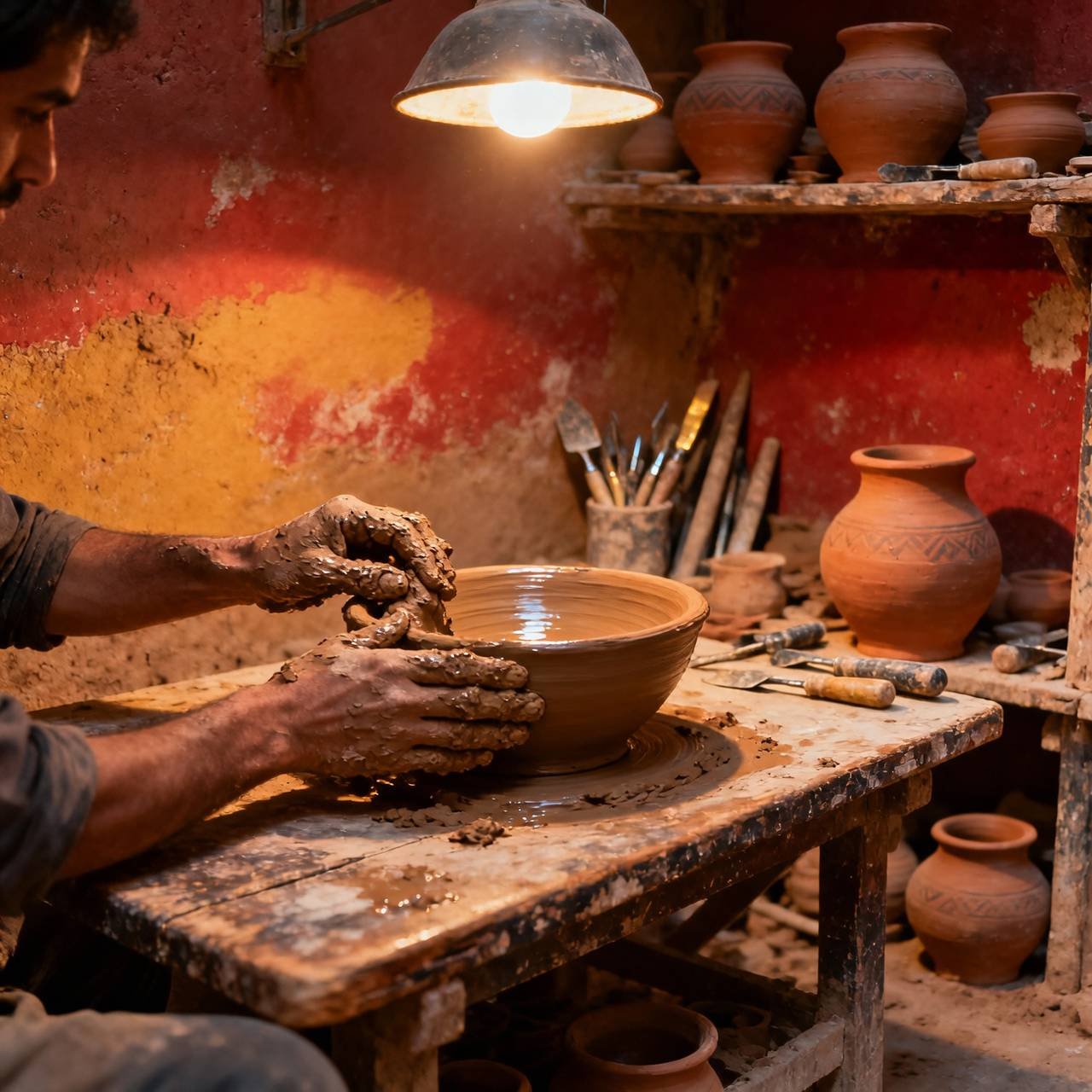
Pottery Workshop Marrakech: 2-Hour Ultimate Creative Experience
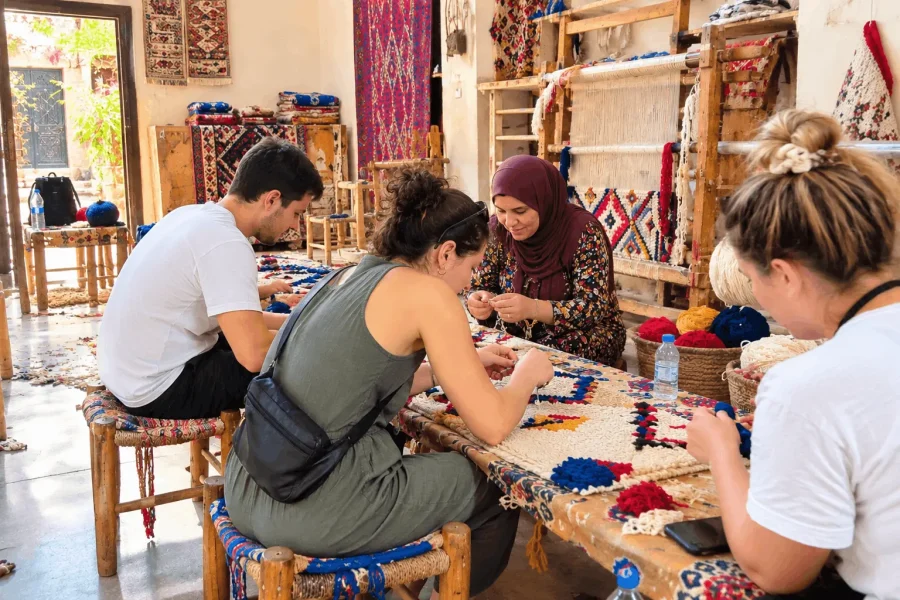
Marrakech Rug Class: 2-Hour Stunning Moroccan Rug Experience
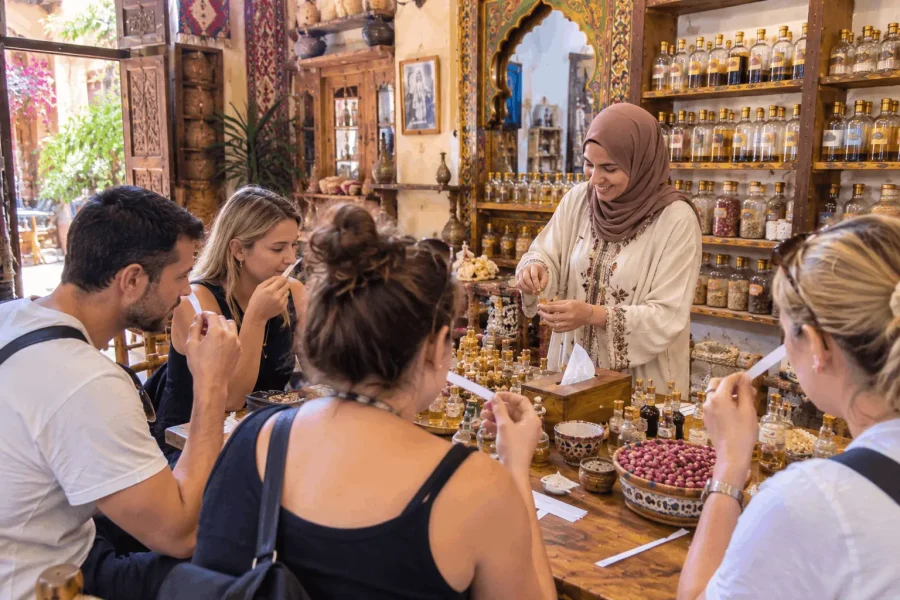
Marrakech Perfume Workshop: 2-Hour Unforgettable Fragrance Journey
A Marrakech Workshop is one of the few travel experiences where you leave with something you made, not just something you bought. The city is full of ateliers tucked behind souk stalls and courtyard doors, and each one offers a different way to slow down and work with your hands. This guide walks you through the whole process, from the first idea to the final piece, so you can book with confidence and enjoy every step.
Step 1: Decide Which Marrakech Workshop Fits You
Before you compare prices or read reviews, work out what you actually want to make. The craft you choose shapes the pace, the group size and the skills you will practise.
The most common options
- Pottery and ceramics — hands on a wheel, wet clay, immediate results.
- Zellige and tilework — precise, meditative, ideal for detail lovers.
- Leatherwork — cutting, punching and stitching in a tannery-side atelier.
- Cooking classes — spice markets in the morning, a tagine on the fire by lunchtime.
- Rug weaving and natural dyeing — slower, textile-focused, often outside the medina.
Ask yourself one honest question: do I want a finished object, a new skill, or simply a calm few hours away from the crowds? Any of these is a valid reason, and the answer points you to the right atelier. You can browse curated options through the Marrakech Workshop collection to see how the formats differ.
Step 2: Book the Right Format Before You Arrive
Most ateliers run both short taster sessions and half-day immersions. A taster is perfect if you are testing the waters; a longer session lets you finish a piece properly and understand the technique rather than just touch it.
Book directly with the artisan or through a local operator who knows the workshop personally. Confirm three things in writing: the exact duration, the maximum group size, and whether materials are included. A genuine Marrakech Workshop will answer all three without hesitation.
Step 3: Prepare the Day Itself
Small practical decisions make a big difference to how much you enjoy the session.
- Wear clothes you do not mind marking, and avoid loose sleeves near a wheel or a flame.
- Bring a small notebook for measurements, recipes or pattern notes.
- Carry cash for materials or a tip, and leave large bags at your riad.
- Arrive ten minutes early so you can settle in and meet the artisan without rushing.
- Keep your phone away for the first half hour, then ask permission before taking photos.
If the workshop involves cooking, mention allergies in advance. If it involves clay or dye, expect to wash your hands rather than your clothes.
Step 4: What Happens Inside a Marrakech Workshop
The rhythm is usually the same everywhere: a short demonstration, a guided attempt, then independent work with the artisan circling to correct your hands. This is the part most travellers underestimate. The value is not the souvenir at the end, it is the twenty minutes of patient correction in the middle.
How to get the most from the artisan
Ask questions about the material itself, not just the steps. Where does the clay come from? How long does the dye take to set? Which mistake do beginners make most often? Artisans in Marrakech are generous with knowledge when they sense real curiosity, and the conversation often ends up being the highlight of the day.
Step 5: Handle, Dry and Transport Your Piece
Some crafts produce a finished object you can carry out the same day. Others, like ceramics, need drying and firing. Ask clearly whether your piece will be ready before you fly home, and if not, whether shipping is possible. Pack textiles flat and wrap anything fragile in clothing rather than plastic.
If your piece cannot travel with you, treat the workshop as a skill you keep rather than a product you lose. Many travellers return home and continue the craft, which is arguably the better souvenir.
Step 6: Pair the Session With the Rest of Your Day
Workshops sit naturally in a slower itinerary. A morning session pairs well with an afternoon in the souks or a quiet rooftop lunch, while an afternoon class leaves the morning free for a garden or a square. If you want to build a fuller plan around your session, look at the wider list of things to do in Marrakech and slot the workshop into the calmest part of your day rather than squeezing it between two rushed visits.
Above all, resist the urge to over-schedule. A Marrakech Workshop works best when you are not watching the clock, and the memory you take home will be the concentration, the smell of the materials and the satisfaction of a piece that exists because you made it.
#MarrakechWorkshop #WorkshopMarrakech #MoroccanCrafts #HandsOnMarrakech #LearnMoroccanCrafts #CraftWorkshopMarrakech #MarrakechExperiences #CulturalTravel #MoroccoPlan
0 Comment