


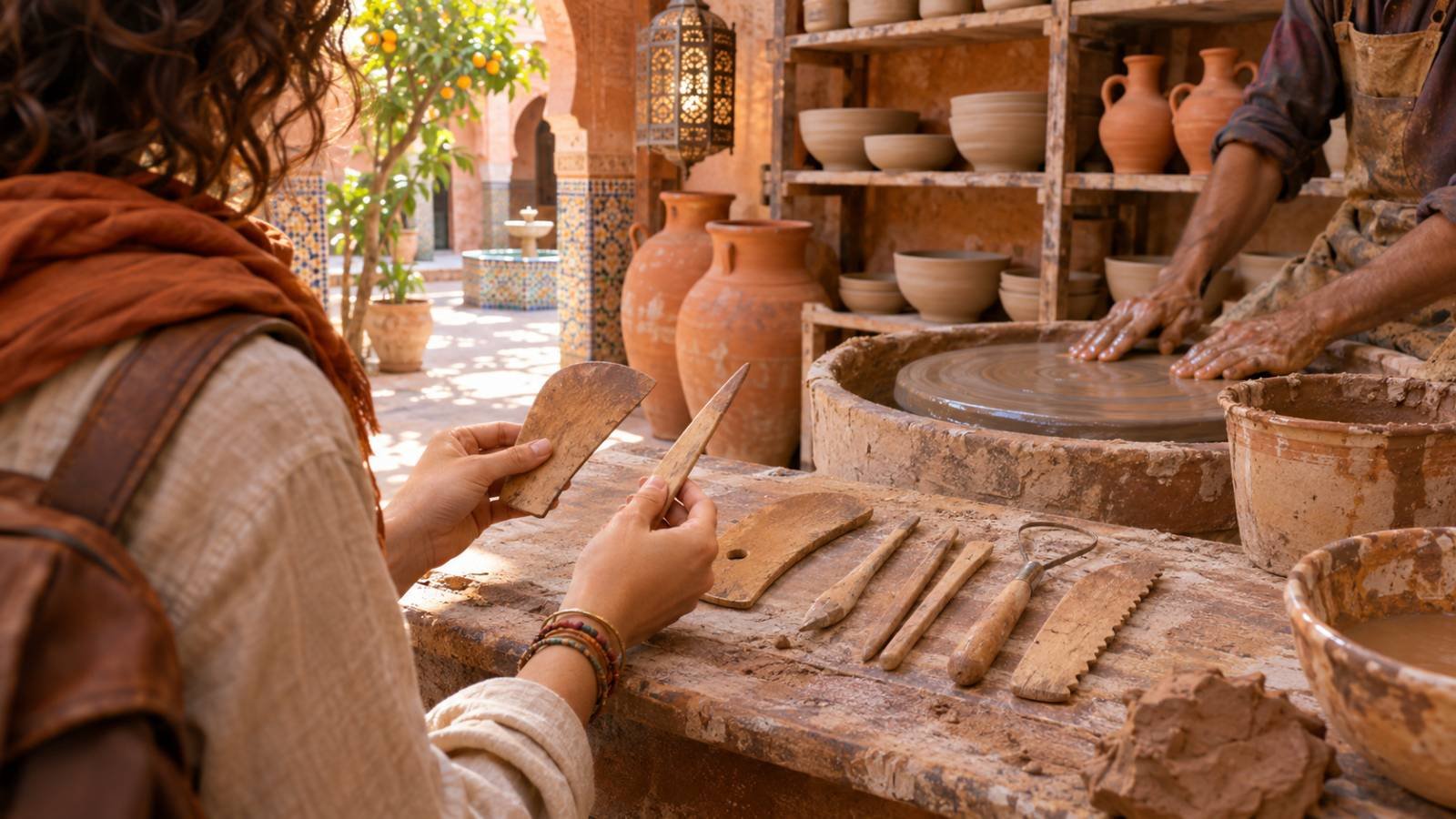


Marrakech Camel Ride – 2 Hours of Magic in Palmeraie

Top 1 Balloon Flight Marrakech & Delicious Berber Breakfast

Thrilling Zipline Marrakech Tour with Atlas Mountains Hike

Marrakech Paragliding: Ultimate Agafay Desert Rush

Quad Bike Marrakech – Fun 3-Hour Tour in the Palmeraie

Horseback Riding Marrakech – Exclusive 3-Hour Private Tour

Dune Buggy Marrakech: Epic 3-Hours in Palm Grove

Scooter Marrakech: 2-Hour Incredible Tour in the Red City

Bike Tour Marrakech: 3-Hour Inspiring Cultural Experience

Marrakech Quad Bike and Camel Ride 4-Hour Epic Adventure

Atlas Mountains Tour: Full-Day E-Bike Ultimate Adventure

Marrakech Cycling Tour: 2.5h Inspiring Palm Grove Ride

From Marrakech: Amazing Cycling in the Atlas Mountains Day Trip

Quad Agafay Marrakech: Amazing Camel Ride, Dinner & Show

Aqua Karting Marrakech & Quad Bike Adventure Palmeraie
Ebike Marrakech: A Thrilling Adventure Through the Medina
Marrakech Babouch Making Workshop: Discover, Create & Enjoy
Pottery Workshop Marrakech: 2-Hour Ultimate Creative Experience
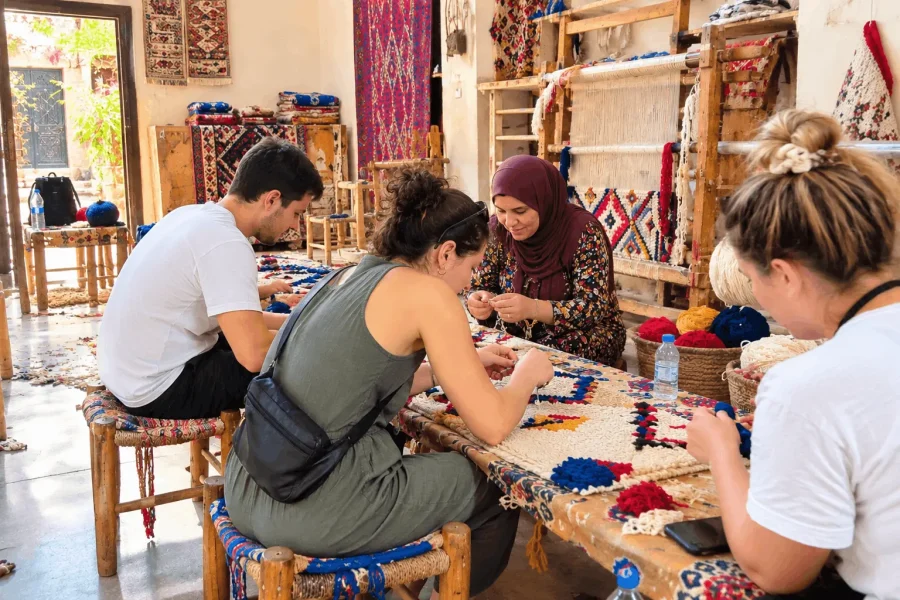
Marrakech Rug Class: 2-Hour Stunning Moroccan Rug Experience
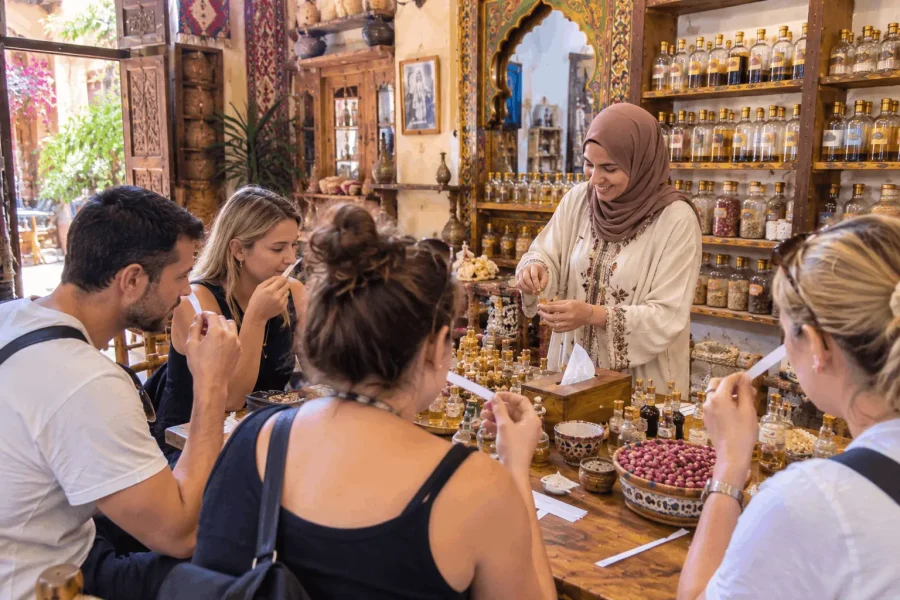
Marrakech Perfume Workshop: 2-Hour Unforgettable Fragrance Journey
A Marrakech Workshop is a rare travel purchase. The price tag tells you almost nothing about what waits behind the door. Two sessions can cost the same and sit in the same medina lane. One leaves you with clay under your nails and a real feel for a craft. The other has you watching someone else work for two hours. Then you get a souvenir you could have bought in the souk for less.
This guide is about the decision itself. We look at the criteria worth weighing. We look at the details that separate a good session from a forgettable one. And we look at the traps that catch even experienced travellers.
Start With the Craft, Not the Price
Decide what you want to learn before you compare anything. Pottery, zellige tilework, leather, weaving, argan oil and cooking each have their own rhythm. They also make different physical demands. And they promise different outcomes for a beginner.
A cooking class gives you a meal and a recipe. A pottery session gives you dirty hands and a piece that needs weeks to dry and fire. Neither is better. They simply suit different temperaments.
Ask yourself a blunt question. Do I want to make something, or understand something? Workshops built around making are hands-on from minute one. Workshops built around understanding lean on explanation and storytelling. Both are valid. Travellers often book one while secretly hoping for the other.
How to Judge a Marrakech Workshop Before You Book
Group size and attention
One artisan to four or five participants is comfortable. Beyond eight, you wait more than you work. If the listing hides the maximum, ask directly.
Who is actually teaching
The best sessions are led by someone who has spent years at the bench. Not by a facilitator reading from a script. Look for language that names the craftsperson and their trade background. Vague promises about local experts tell you little.
What you take home
Clarify whether your finished piece travels with you or is shipped. Ask who pays for shipping. Pottery and leather need drying or finishing time. A workshop that promises a fired bowl the same day is bending the truth.
Materials included or not
Clay, glazes, leather, spices and firing can be billed separately. A low headline price with three add-ons is rarely the cheaper choice. Ask for the all-in figure before you commit.
Language and pace
Confirm the working language. Ask whether the session moves at a beginner’s pace. A workshop that races through steps to fit everyone in leaves nobody satisfied.
- Maximum number of participants, stated in writing
- Name and background of the artisan leading the session
- Whether materials, firing and shipping are included
- Realistic duration, including drying or finishing time
- What you physically leave with at the end
Red Flags Worth Walking Away From
Some signals are consistent enough to treat as warnings. A price far below every competitor usually means shared materials or a rushed demonstration. Sometimes it means a workshop that is really a shop visit with a stool.
Photos can mislead too. Spotless benches with no tools, no dust and no half-finished pieces often mean the space was staged. Real workshops look used.
Then there is the operator who cannot answer basic questions. If they cannot name the artisan, the group cap or what happens to your piece, they are improvising. Treat that as your answer.
Another trap is the compressed schedule. Booking a workshop right before dinner removes any margin for the slow rhythm that makes craft work enjoyable.
How to Compare Two Options Fairly
Put the candidates side by side on the same five lines. Group size, artisan background, total cost, what you make and keep, and duration. Most confusion disappears once the comparison is written down rather than felt.
Read reviews for a specific detail rather than a star rating. Comments that mention a named artisan or a particular technique are far more useful. So are comments about the moment someone finally got the wheel to behave.
If you want a shortcut, browse a curated list of Marrakech Workshop options. You can compare formats, group sizes and inclusions in one place instead of piecing listings together.
Match the Session to Your Trip
Think about where the session sits in your itinerary. A half-day pottery workshop on your first morning sets a gentle pace. It also gives you a reason to return to a neighbourhood you might otherwise skim past. A cooking class late in the trip works differently. You already know the flavours, so the technique lands harder.
Families should ask about minimum ages and whether children work independently. Solo travellers often do better in smaller groups where conversation happens naturally. Anyone with limited mobility should confirm step-free access. Many traditional workshops sit behind narrow staircases.
If you are still assembling your days, pair the workshop with other things to do in Marrakech nearby. You will avoid crossing the city twice in one afternoon.
The Question That Settles It
After all the comparison, one question cuts through. Will I remember the hour I spent at the bench? A well-chosen Marrakech Workshop leaves you with a skill you can describe. It leaves you with a piece you made yourself. And it leaves you with a conversation with someone who has practised a craft for decades. A poorly chosen one leaves you with a receipt.
Choose the artisan before the price. Confirm the details in writing. Leave room in your day for the session to run long. That is usually the difference between an activity and a memory.
#MarrakechWorkshop #Marrakech #ThingsToDoInMarrakech #MoroccanCrafts #ArtisanExperiences #CulturalExperiencesMarrakech #LearnMoroccanCrafts #HandsOnMarrakech #MoroccoPlan #AuthenticTravel #MarrakechInsider #LocalArtisans
0 Comment