


Marrakech Babouch Making Workshop: Discover, Create & Enjoy
Pottery Workshop Marrakech: 2-Hour Ultimate Creative Experience
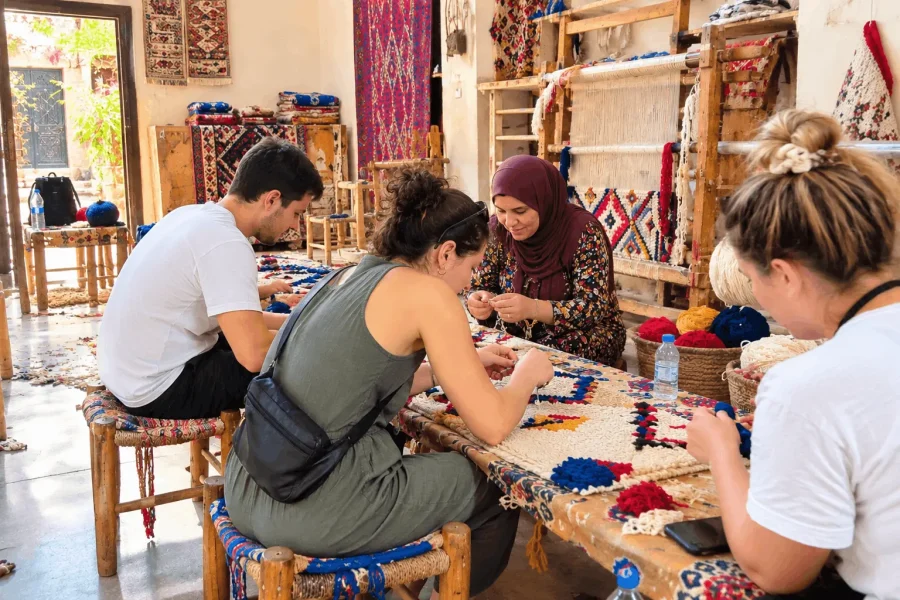
Marrakech Rug Class: 2-Hour Stunning Moroccan Rug Experience
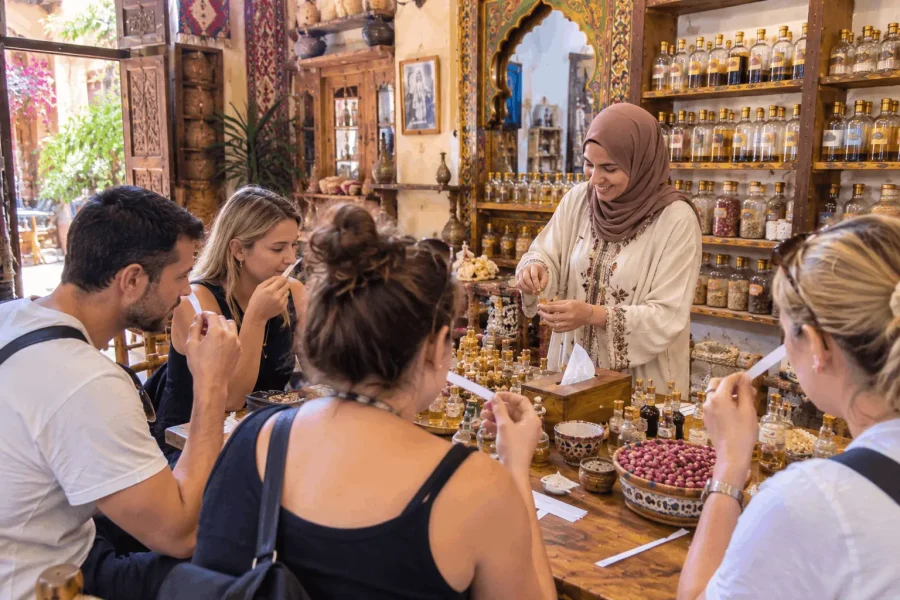
Marrakech Perfume Workshop: 2-Hour Unforgettable Fragrance Journey
Basket Embroidery Workshop Marrakech: Fun 2-Hour Craft
Workshop Marrakech Mosaic: 3-Hour Master Zellige Experience
Arabic calligraphy workshop Marrakech: 2-Hour Cultural Escape
Marrakech Metal Crafting Workshop: 2 Hours of Inspiring
Leather Workshop Marrakech: 2-Hour Creative Artisan Experience
Marrakech Massage & Hammam: 1.5 Hour of Relax & Rejuvenate
A Marrakech Workshop is one of the few travel experiences where you leave with something in your hands instead of only photos on your phone. But the gap between a memorable afternoon at the wheel or the loom and a rushed, overpriced hour in a tourist-facing atelier comes down to preparation. This checklist walks you through the whole arc — before you book, on the day, and after — so your session feels like genuine craft rather than a staged photo opportunity.
Before You Book: The Marrakech Workshop Pre-Flight Checklist
Most disappointment is decided before you ever step inside the workshop. Run through these points first.
- Name the craft you actually want. Pottery, zellige cutting, tadelakt plastering, leather, rug weaving, argan oil or cooking — each has a different pace and a different kind of mess.
- Confirm the language of instruction. Ask directly whether the artisan teaches in English, French or through a translator, and how many people share that translator.
- Check the group size in writing. Six people around one wheel is a demonstration; two or three is a lesson.
- Ask what you take home. A finished piece, a half-dried one, or nothing at all — and who ships it if it needs time to cure.
- Verify the materials are included. Clay, glaze, leather dye, wool and firing should be in the price, not added at the door.
- Read the cancellation terms before paying a deposit, especially for cooking classes where food is bought in advance.
If you want a shortcut, browse the curated options on the Marrakech Workshop page and compare sessions side by side rather than guessing from a flyer in the medina.
What to Confirm the Day Before
A quick message the evening before saves an hour of wandering. Confirm the exact address, because workshop doors in the medina often have no sign at all, and ask whether a meeting point is easier than the atelier itself. Confirm the start time in local terms — “ten o’clock” can mean ten past ten — and ask what to wear. Clay and dye ruin light clothing, and some ateliers provide aprons while others do not. Finally, ask whether photography is welcome during the session; many artisans are happy to be filmed working but prefer not to be photographed face-on.
On the Day: Your In-Workshop Checklist
Arrive early, hands free
Turn up ten minutes early with nothing dangling — no long scarves near a wheel, no rings near wet clay. Leave the shopping bags at the riad if you can.
Watch first, then touch
Let the artisan demonstrate the full gesture once before you imitate it. Ask them to slow down at the step you find hardest; almost every teacher will repeat it without irritation.
Ask the three questions that unlock the craft
- How long did it take you to learn this?
- Where does this material come from?
- What is the most common mistake beginners make?
Those answers are usually the most memorable part of the session — more than the object itself.
Accept imperfection
Your first bowl will lean. Your first weave will have a gap. That is the point: a handmade piece carries the trace of the hand that made it.
Choosing Between the Crafts on Offer
Not every session suits every traveler. Pottery and tadelakt reward patience and are forgiving for beginners; zellige cutting demands precision and steady hands; leather work is quicker and more tactile; rug weaving is slow and meditative, best for anyone who wants conversation as much as craft. Cooking classes sit apart — they are social, loud, and end with a meal. Pick according to the mood you want, not the photo you saw online.
After the Session: The Follow-Through Checklist
- Ask how to care for the piece — washing, sealing, drying time.
- Confirm the collection or shipping date if firing or curing is needed.
- Note the artisan’s name and atelier so you can return or recommend it.
- Leave an honest review that mentions the group size and the teaching quality.
If craft is only one part of your trip, pair it with other slow experiences — a guided walk through the souks or a private ride across the city — gathered on moroccoplan’s Marrakech experiences.
The Bottom Line
A good Marrakech Workshop is not about producing a perfect object. It is about spending two or three hours inside a living tradition, with your sleeves rolled up and your attention on your hands. Use this checklist, ask your questions early, and you will leave with something far more valuable than a souvenir: the knowledge that you made it yourself.
#MarrakechWorkshop #MoroccanCrafts #HandsOnMarrakech #CraftWorkshopMarrakech #MarrakechArtisans #CulturalExperiencesMarrakech #ThingsToDoInMarrakech #MoroccoPlan #AuthenticTravel #LearnMoroccanCrafts
0 Comment