




Best Dinner in Marrakech: 3-Hour Refined Evening Experience

Tuk Tuk Marrakech: 2-Hour Private Tour Exploring the City
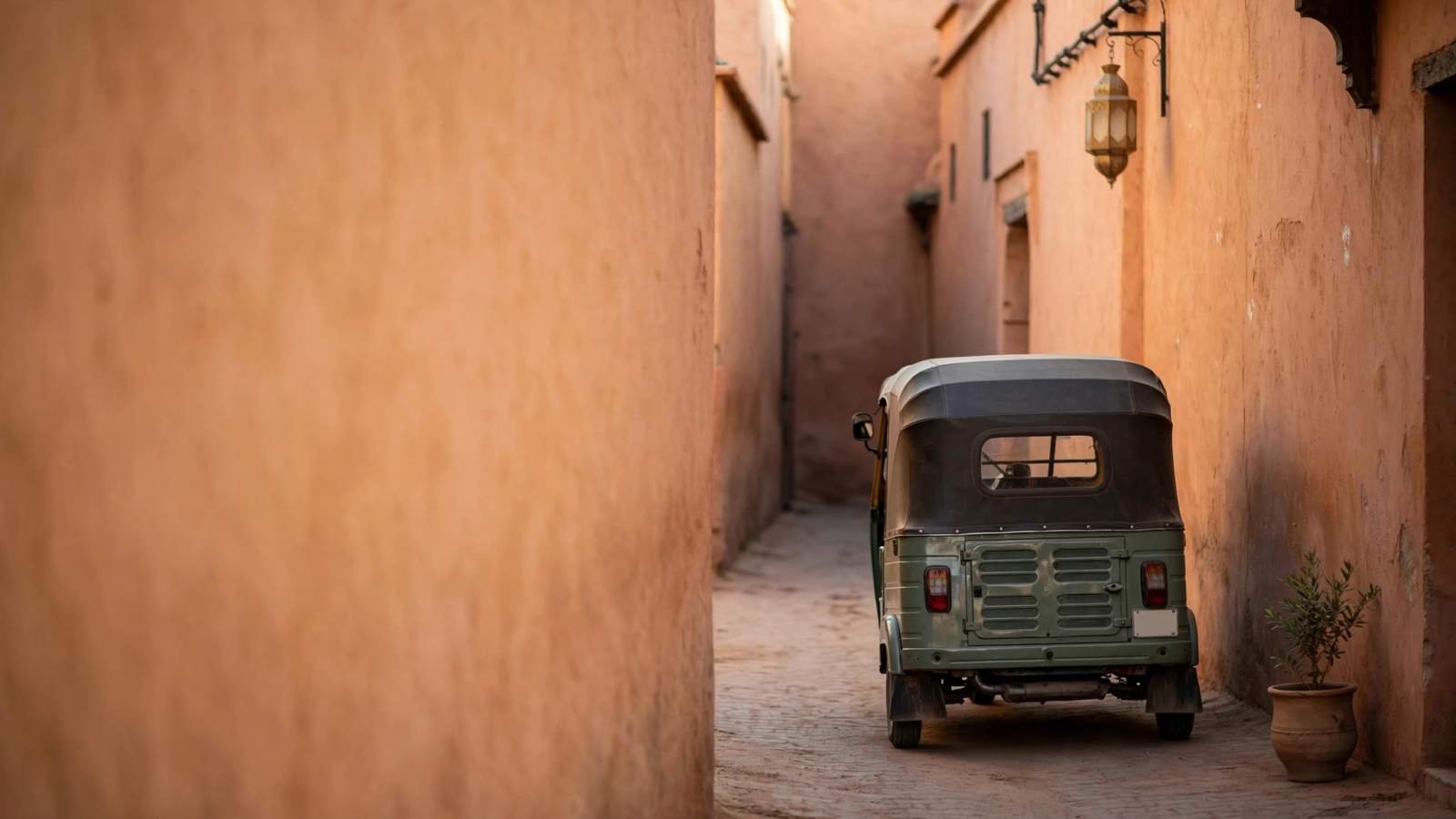
Something quiet is happening on the streets of the Red City. The Tuk Tuk Marrakech ride was once a casual add-on for curious travelers. Now it is a small industry of its own. The way it works is changing fast. Demand is rising. Expectations are rising too. The market around these three-wheeled rides is maturing. It is becoming more structured and more considered.
If you are planning a trip, here is the honest picture of where things are heading.
Tuk Tuk Marrakech: A Market Moving From Impulse to Intention
The first big evolution is behavioral. Travelers used to flag down a tuk tuk on instinct. They often did it at the last minute. Many had no idea what a fair price looked like.
That spontaneity has not disappeared. But it is now matched by a growing appetite for pre-planned rides. People compare options. They read reviews. They ask questions before they commit.
That shift matters. It rewards operators who are clear about routes, timing and inclusions. It quietly pushes out those who rely on vague pricing. For travelers, the effect is simple. A Tuk Tuk Marrakech experience booked with a clear itinerary delivers far fewer surprises. A lucky-dip negotiation in the street rarely does.
What travelers now expect as standard
- A described route with recognizable landmarks, not a vague “city tour”
- Clear pricing agreed before the wheels move
- A driver who speaks a shared language
- Reasonable timing, especially around sunset and dinner hours
- Honest advice on which areas are worth the detour
The Route Is Becoming the Product
The second trend is structural. The ride itself is no longer the point. The sequence of places is. Operators are designing loops that link the medina’s edges with the Palmeraie and the wider city. A transport hop becomes a light sightseeing format.
This is where the market splits into two tiers. One is short point-to-point transfers. The other is curated routes with a narrative. The distinction is useful for anyone weighing up things to do in Marrakech. It changes how a tuk tuk fits into a day.
Instead of replacing walking, it now often frames it. A ride out to a district. An hour on foot. A ride back through different streets. The vehicle becomes the connective tissue of a day. It is no longer a single transaction.
Quieter Streets, Quieter Engines
Anyone who knows the medina knows that noise is part of the atmosphere. But the direction of travel is toward calmer, cleaner rides. Electric and quieter three-wheelers are appearing more often. This reshapes which streets and hours are viable.
Early mornings and late evenings are becoming genuinely pleasant windows. They were once the domain of the bold. This also feeds a broader shift in how the city is experienced. Travelers increasingly ask for routes that avoid the heaviest congestion. They favor the margins of the medina, the palm-lined avenues and the slower residential pockets. The result feels less like traffic and more like observation.
Local Knowledge as the Real Differentiator
In a market where anyone can offer a ride, the operators who endure are the ones selling context. A driver knows which souk entrance is calmest at mid-morning. He knows where the light hits a particular wall. He knows which café terrace is worth twenty minutes. That is something a map cannot offer. This is the quiet evolution: from transport to interpretation.
For travelers, the best questions have changed. Instead of only asking the price, ask what the route passes. Ask how long each stop takes. Ask whether the timing suits the light and the crowds. Those answers reveal more about quality than any vehicle photo ever will.
How to read the market when you are standing on the street
- Look for a described route, not a tempting headline price.
- Confirm the duration and the number of stops before you agree.
- Check whether the ride is private or shared.
- Ask about the return leg, where many good rides quietly fall apart.
- Trust the operators who answer patiently over those who rush you.
Where the Trend Is Heading Next
Expect more specialization. The generic city loop is giving way to themed rides. Some are built around a particular interest. Others follow a district or a time of day. Expect clearer booking processes and more honest route descriptions. Expect a stronger emphasis on the experience rather than the machine. And expect travelers to keep asking for exactly that. They want a ride that explains the city rather than simply crossing it.
The Tuk Tuk Marrakech market is not becoming more complicated. It is becoming more deliberate. That is good news for anyone who wants their time in the Red City to mean something.
Conclusion
The evolution of tuk tuk travel in Marrakech is a small story with a wider lesson. When a city’s informal experiences mature, travelers gain clarity. Locals gain a reason to do things well. Choose a ride with a described route. Ask the questions that matter. Treat the vehicle as a way of reading the city. Do that, and the trip becomes part of the journey. It stops being a gap between two better moments.
#TukTukMarrakech #Marrakech #ThingsToDoInMarrakech #MoroccoPlan #AuthenticTravel #MarrakechInsider #ExploreMarrakech #TravelMorocco
0 Comment